AI-Powered B2B Sourcing
from China, Vietnam & India
A dedicated specialist team. 12+ industries.
We source, verify and ship.
- Operating since 2014
- 200+ global clients
- $10M+ monthly volume
- 12+ industries
- AI operating system — live 24/7
Trade Entrust is a B2B sourcing and OEM manufacturing company based in Guangzhou, China that helps brands, tech companies, and product businesses manufacture from verified factories across China, Vietnam, and India. It manages OEM/ODM development, sourcing, compliance, quality control, and shipping end to end — with real-time visibility through its ImportOS.ai platform. Trusted by brands including a major automotive brand and a global sportswear brand since 2014.
Here's What's Broken in How Most Companies Source from Asia
Most buyers lose money in ways they never see coming. Here's what we fix.
DIY on Alibaba is risky
Sourcing unverified suppliers on your own carries real fraud and total-loss risk on large orders — with no recourse when it goes wrong.
Commission-only agents are misaligned
Agents paid pure commission earn more when your unit cost goes UP. Their incentive is the opposite of yours.
Delays surface too late
Most buyers only hear about production problems after the container is already on the water — when it's too late to fix.
New categories drain months
Researching a new product category yourself burns months of time with no guaranteed outcome at the end.
The Only Sourcing Company With Its Own Tech Platform
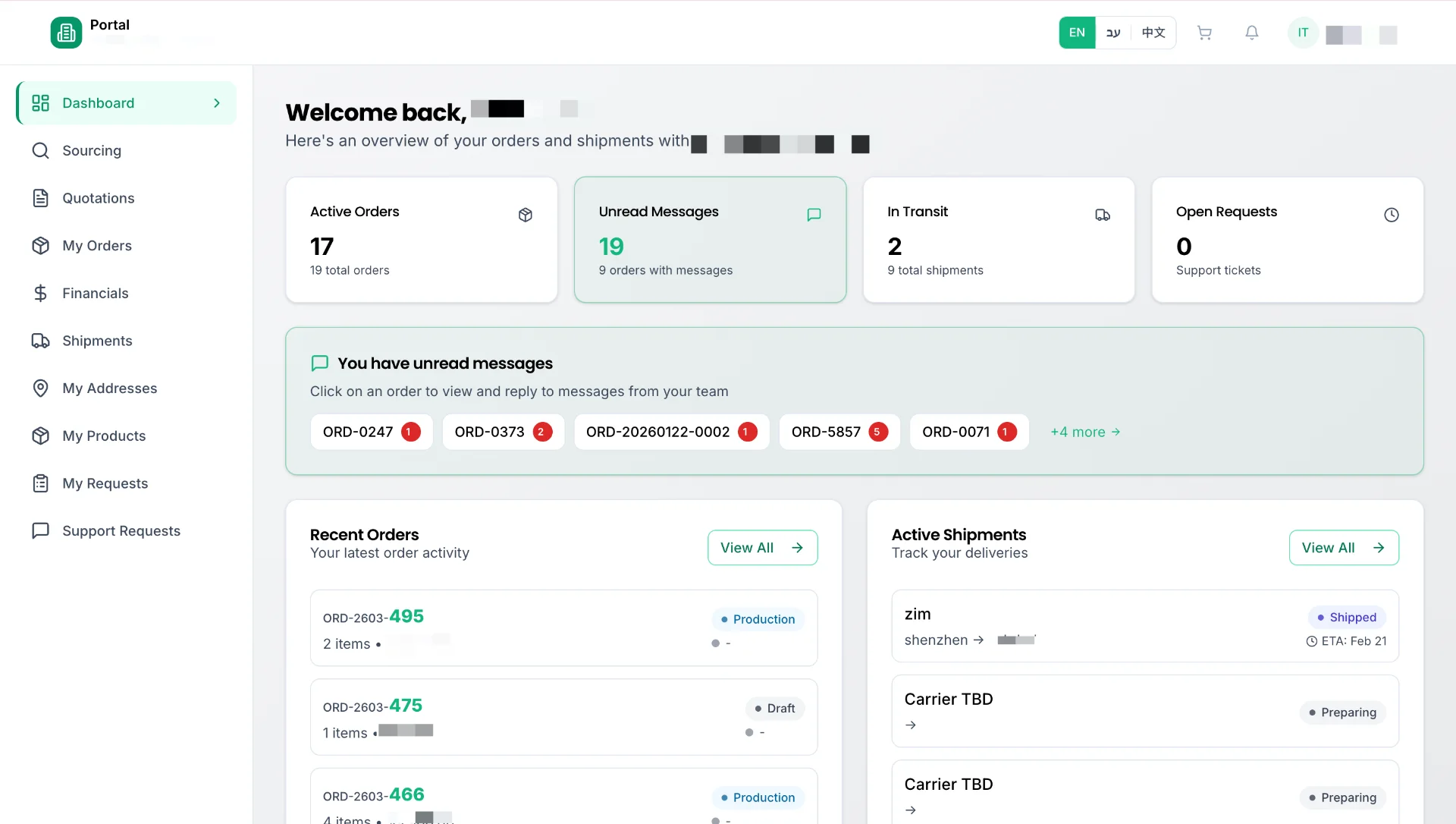
ImportOS gives you full visibility into every order, shipment, and payment. No more spreadsheets, no more guessing — real-time data at your fingertips.
- Real-time order tracking
- Live shipment map (221+ carriers)
- Your own customer portal
- Payment & invoice management
- QC reports with photos
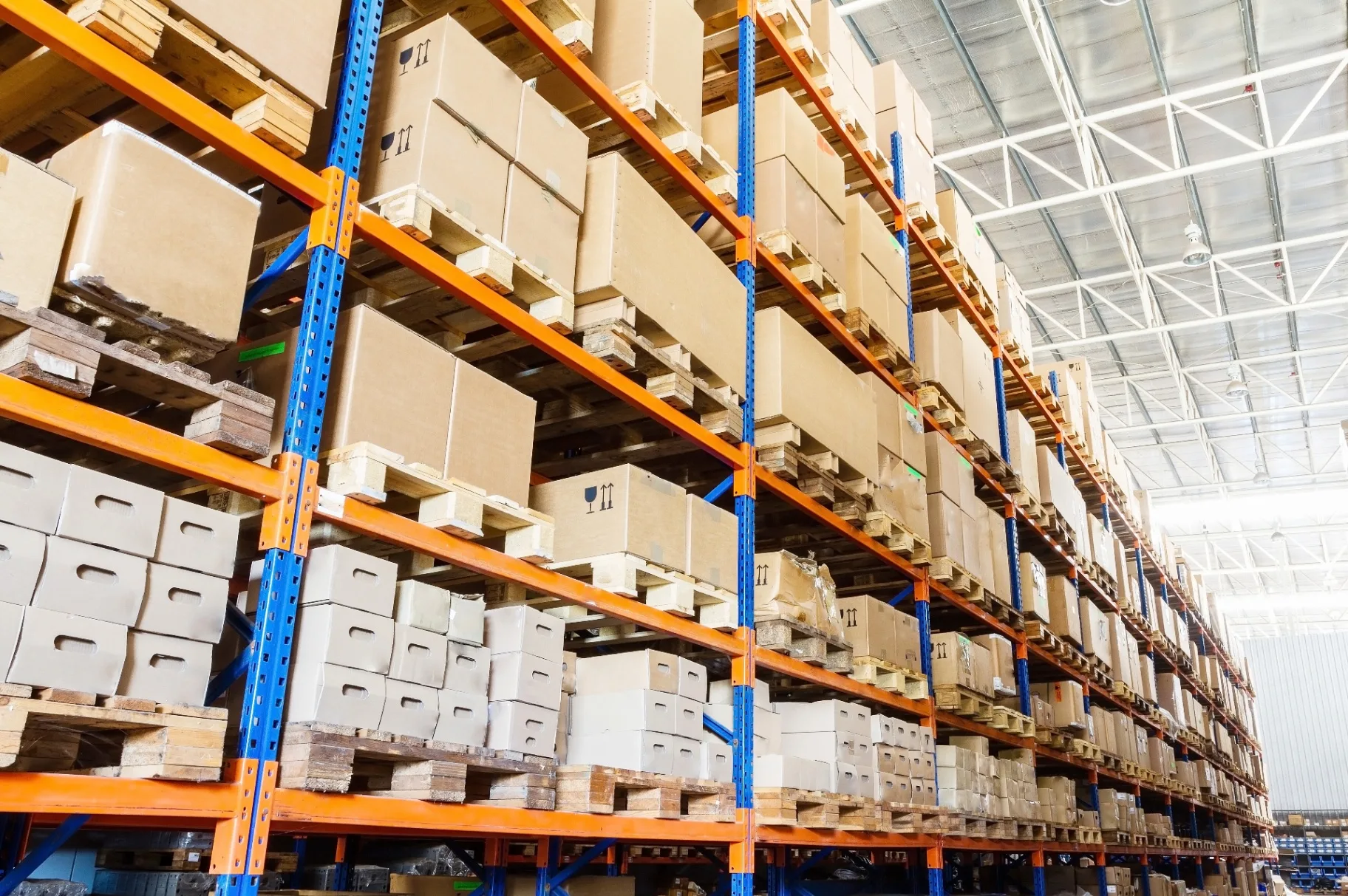
What We Source
From bags to electronics, we cover 12+ product categories with verified factories across China.
Operating Since
Full-Time Sourcing Professionals
Businesses Scaling with Trade Entrust
Monthly Trade Volume Managed
Does This Sound Familiar?
Supplier delays costing you revenue?
Quality defects discovered too late?
No visibility into your supply chain?
Constantly chasing updates from factories?
There's a better way.
How We Work
From your first message to doorstep delivery — we handle every step of sourcing from China.
Tell Us What You Need
Share your product requirements, quantities, and budget. We'll take it from there.
We Find & Verify
We match you with 3-5 verified factories, negotiate prices, and send samples for approval.
We Ship & Track
Production, QC inspection, shipping — all managed by us. Track everything live on ImportOS.
Plus: Live tracking through our ImportOS platform
What Our Clients Say
200+ businesses trust Trade Entrust for their sourcing needs.
"Trade Entrust manages 100% of our sourcing from China. Their platform gives us visibility we never had before."
David M.
Home Goods Importer · 🇺🇸 USA
"We switched from a freelance agent to Trade Entrust and our defect rate dropped by 60%. The QC process is incredible."
Sarah K.
Fashion Brand · 🇬🇧 UK
"The ImportOS portal changed everything. I can track my orders in real-time instead of chasing emails."
Yoav R.
E-commerce Retailer · 🇮🇱 Israel
Meet Our Leadership
The people behind 200+ successful sourcing partnerships.

Yoni Rosilio
CEO & Founder
Founded Trade Entrust to make China sourcing transparent and reliable.

Ardis Chen
COO
Oversees daily operations and supplier relationship management.

Jacky Yu
Sourcing Expert
15+ years matching clients with the right verified factories.

Clarie Li
Customer Manager
Your dedicated point of contact from quote to delivery.

June Jiang
QC Expert
On-the-ground inspections ensuring every shipment meets standards.
Ready to Source from China?
Get a free quote within 24 hours. No commitment, no hidden fees.
Get the 2026 Product Sourcing Catalog
The same catalog our buyers use to scope retail-display, POS and jewelry programs from China — pricing, lead times, and factory profiles in one PDF.
- 120+ verified factories across 12 industries
- Indicative FOB pricing & MOQs
- Lead-time benchmarks and QC checkpoints
- Free 20-minute sourcing call included
Download 2026 Product Sourcing Catalog
Enter your email to get instant access.
Why Trade Entrust
The proof points that make us the #1 sourcing partner in China
Founded 2014 — 10+ Years in China
Established in Guangzhou since 2014. Over a decade of sourcing, manufacturing, and exporting experience across China's key production hubs.
OEM Partner for Global Brands
We manufacture for international brands including a major automotive brand and a global sportswear brand. Custom molds, tooling, packaging design, and brand compliance.
3-Stage QC with AQL Standards
Pre-production, during-production (DUPRO), and pre-shipment (PSI) inspections. We take responsibility for defects and manage rework.
ImportOS Live Tracking Portal
Real-time order, QC report, and shipment tracking with your own login. 221+ carrier integrations and full financial visibility.
Common Questions About Sourcing from China
Answers to the questions we hear most from importers worldwide
Get a Quick Quote
Tell us what you need — we'll respond within 24 hours.