The Numbers Behind the Boom
China's manufacturing sector is experiencing its strongest growth cycle since the post-COVID recovery. The key indicators paint a compelling picture:
- PMI (Purchasing Managers' Index): 50.5 — the fastest expansion in over a year, with any reading above 50 signaling growth
- Export Growth: 21.8% year-over-year surge, driven by pre-tariff front-loading and strong global demand
- Industrial Output: Up 6.1% in the first quarter of 2026
- Factory Utilization: Averaging 78%, up from 73% a year ago
These aren't just statistics — they represent a fundamental shift in global manufacturing dynamics that every importer needs to understand.
Why Is China Booming Despite Tariffs?
It seems counterintuitive. With 145% tariffs from the US and various trade restrictions from other countries, how is China's manufacturing sector growing?
1. The Front-Loading Effect
When tariffs were announced (and before they fully kicked in), global buyers rushed to place orders. This "beat the tariff" mentality created a massive surge in purchase orders from late 2025 through early 2026. Chinese factories have been running overtime to fulfill this backlog.
2. Non-US Market Diversification
China's exports to ASEAN nations grew 28%, to the EU by 15%, to the Middle East by 22%, and to Africa by 31%. Chinese manufacturers have aggressively pivoted away from US dependence, and it's working.
3. Government Stimulus
Beijing has rolled out targeted stimulus measures:
- Tax rebates for exporters in key industries
- Subsidized loans for factory automation and upgrading
- Infrastructure investment in logistics and port capacity
- Yuan management keeping the currency competitive at 7.3-7.4 to the dollar
4. Automation and Efficiency Gains
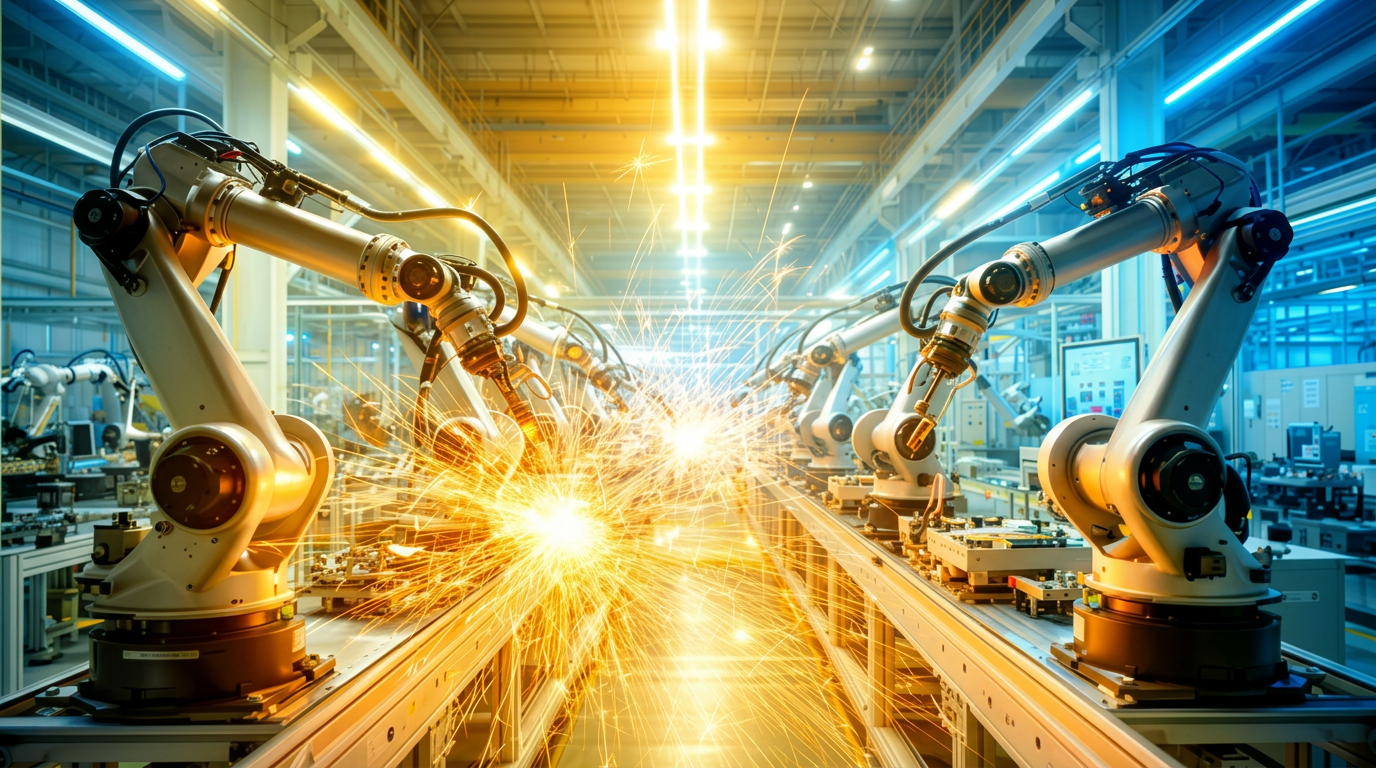
Chinese factories are investing heavily in robotics and automation. The result: higher output per worker, lower unit costs, and the ability to offer competitive pricing even as labor costs rise.
What This Means for Importers
The Opportunities
Better Pricing Leverage: With factories running at high capacity but competing aggressively for non-US orders, pricing is surprisingly favorable for European, Middle Eastern, and APAC buyers.
Quality Improvements: The boom has driven investment in quality control. Factories seeking to differentiate are upgrading equipment, pursuing certifications, and implementing stricter QC processes.
Innovation Acceleration: Chinese manufacturers are developing new products and capabilities faster than ever. From advanced electronics to sustainable materials, the R&D pipeline is rich.
Stronger Supplier Relationships: Factories value stable, long-term buyers. If you commit to consistent orders, you can negotiate exceptional terms — including exclusivity, priority production slots, and customized products.
The Risks
Capacity Constraints: High utilization means longer lead times. If you need products by Q3 or Q4, you should be placing orders now.
Quality Drift: When factories are overwhelmed with orders, quality can slip. Rushed production, overworked QC teams, and pressure to ship fast create risks.
Price Volatility: Raw material costs are fluctuating. Oil-based materials (plastics, polyester, nylon) are particularly volatile due to Middle East tensions. Steel and aluminum prices are also climbing.
Supplier Reliability: Some factories are over-promising and under-delivering. They accept more orders than they can handle, leading to delays and partial shipments.
Industry-Specific Impact
Electronics & Technology
- Status: Booming. Semiconductor-adjacent manufacturing is thriving
- Lead Times: 4-8 weeks (up from 3-5)
- Price Trend: Stable to slightly declining due to automation gains
- Key Risk: Component shortages in specialized chips
Textiles & Apparel
- Status: Strong growth in technical fabrics and sustainable textiles
- Lead Times: 6-10 weeks
- Price Trend: Rising 5-8% due to cotton and polyester cost increases
- Key Risk: Fast fashion demand causing quality shortcuts
Home & Furniture
- Status: Moderate growth, strong demand from EU and Middle East
- Lead Times: 8-12 weeks
- Price Trend: Stable
- Key Risk: Shipping costs for bulky items increasing
Industrial & Machinery
- Status: Strongest sector growth at 8.2%
- Lead Times: 10-16 weeks for custom machinery
- Price Trend: Rising 3-5% due to steel costs
- Key Risk: Certification delays for export-specific standards
7 Action Steps for Smart Buyers
1. Lock In Orders Now
Don't wait for Q3. Place your orders for the second half of 2026 today. Factory calendars are filling up, and lead times will only get longer.
2. Negotiate Multi-Order Contracts
Instead of one-off POs, negotiate framework agreements covering 6-12 months. Factories will offer 8-15% better pricing for committed volume.
3. Invest in Quality Control
This is not the time to skip pre-shipment inspections. Hire a third-party QC firm or work with a sourcing agent who provides in-factory quality monitoring.
4. Diversify Your Supplier Base
Don't put all your eggs in one basket. Have at least 2-3 qualified suppliers for each product category. If one factory gets overwhelmed, you have backup.
5. Monitor Raw Material Prices
Set up alerts for key material costs (steel, copper, oil, cotton). When prices dip, lock in material purchases with your factory.
6. Plan Shipping Early
Freight rates are climbing. Book container space 4-6 weeks in advance. Consider rail freight (China-Europe via the Belt & Road routes) as an alternative to ocean shipping.
7. Work With a Sourcing Partner
Having someone on the ground in China who can visit factories, monitor production, handle quality control, and negotiate on your behalf is the single biggest advantage you can have.
The Strategic Window
Here's the truth: this boom won't last forever. Economic cycles mean that today's seller's market will eventually cool. But right now, the combination of high factory investment (meaning better capabilities), competitive pricing (due to non-US market competition), and motivated suppliers (eager for stable partners) creates a unique strategic window for importers.
The businesses that act decisively in 2026 will lock in relationships, pricing, and supply chain advantages that last for years.
---
Ready to capitalize on China's manufacturing boom? Trade Entrust helps businesses source products from verified Chinese factories with on-ground quality control and end-to-end logistics support. Request a free sourcing consultation.
Published by Trade Entrust Team — your trusted China sourcing partner since 2018.