Short answer: "Quality fade" is when a Chinese factory quietly swaps your approved materials for cheaper ones after the first good orders — thinner fabric, lower-density foam, a different hardware brand — to claw back 5–10% margin. You stop it with three things the factory can't argue with: a signed golden sample as the binding reference, incoming-material and pre-production checks that verify the actual materials before the line runs, and a pre-shipment inspection on every order (not just the first). That's exactly what a sourcing partner on the ground is for.
It's one of the most common — and most demoralising — experiences in importing: your samples were perfect, the first two orders were great, and then order four arrives feeling off. You're not imagining it.
What is "quality fade" (and why does it happen)?
Quality fade is the gradual, deliberate substitution of cheaper inputs after a supplier has earned your trust. The pattern is textbook:
- Excellent first-article golden sample.
- First two purchase orders — on time, solid quality.
- Order three: slightly thinner material, a few more cosmetic defects per carton.
- By order five or six you're effectively dealing with a different product than the one you approved.
The motive is simple margin. Substituting a specified raw material for a cheaper grade can lift a factory's profit 5–10% per unit — and they're betting you won't check closely once you trust them. This is the classic "bait and switch."
Why your sample doesn't protect you by itself
A great sample proves the factory can make it well — not that they will on every run. Approval emails and photos are weak evidence in a dispute. What holds up is a golden sample clause: a physically retained, signed and sealed reference sample that both sides agree is the binding quality benchmark for the whole order and for any future disagreement. China-trade legal specialists treat it as the foundational document in a quality arbitration.
No golden sample = your "spec" is whatever the factory says it is.
The 5 controls that actually prevent it
| Control | What it catches | When it happens |
|---|---|---|
| Spec sheet with zero ambiguity | Wrong dimensions, Pantone, packaging, labels | Before production — a real spec sheet, not a paragraph |
| Signed golden sample | Any deviation from the approved reference | Locked before the first order |
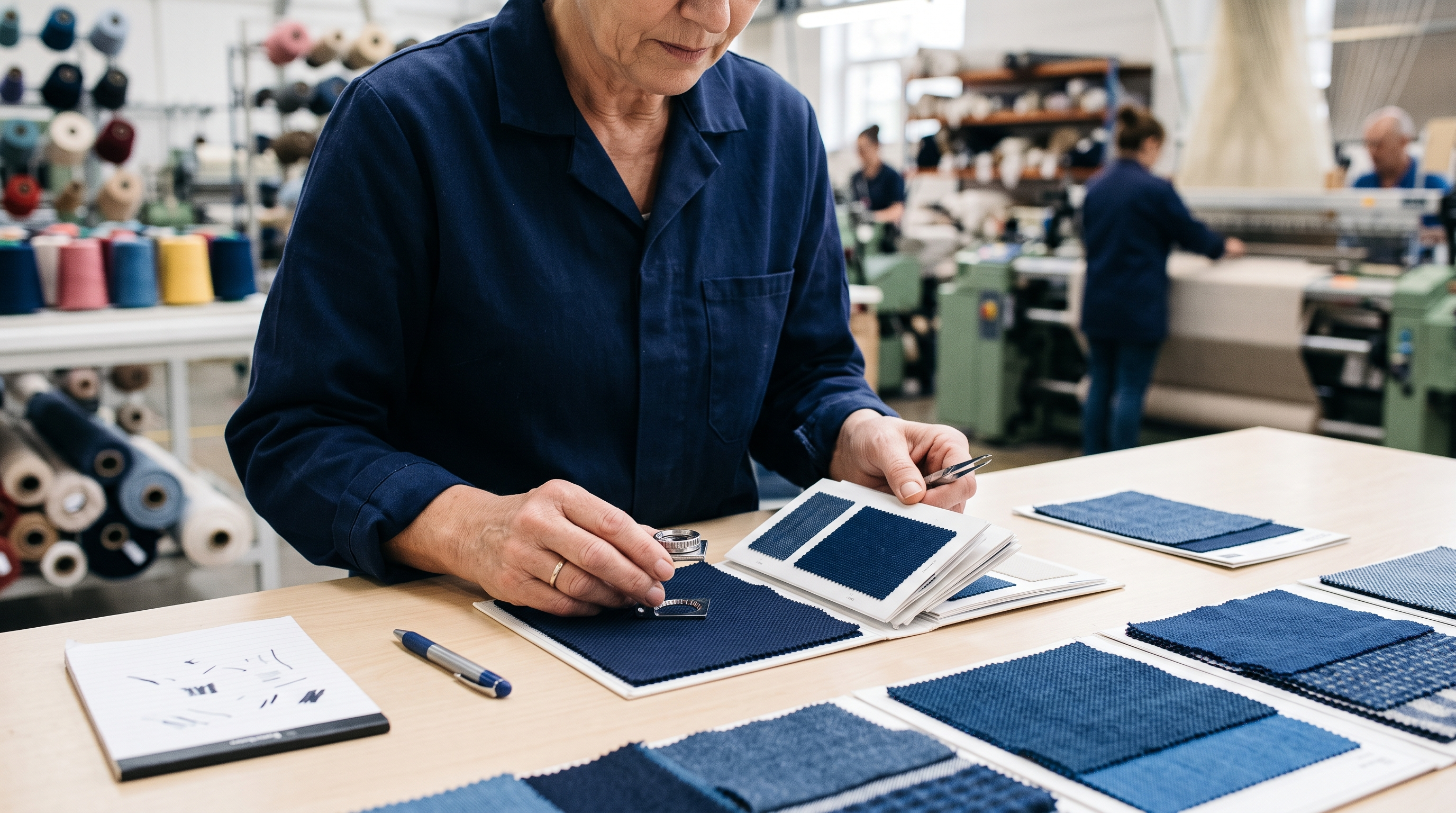
| Incoming-material verification | Cheaper fabric roll, lower-density foam, off-brand hardware | Before the line runs |
| Pre-production / DUPRO inspection | Substitutions and process shortcuts mid-run | During production |
| Pre-shipment inspection (AQL) — every order | Defects and swaps in the finished goods | Before the balance is paid |
The mistake most buyers make is running an inspection once, on the first order, then stopping. Quality fade shows up on order four. Prevention means checking every shipment — and physically verifying the materials, not just counting cartons.
Make cutting corners unprofitable
Inspection catches problems; incentives prevent them. Two levers that work:
- A penalty for AQL failure — e.g., the supplier covers re-inspection costs and gives a discount on the next order. Now a failed inspection costs them.
- A small reward for zero-defect shipments — a modest rebate gives the factory floor manager a personal reason to keep quality up.
When quality is tied to money on both sides, "fade" stops being a free option for the factory.
How Trade Entrust prevents it for you
This is core to what we do on the ground:
- We help you build a spec sheet + signed golden sample and retain the reference.
- We run incoming-material checks — verifying the fabric lot, foam density, board grade, or hardware brand before the line runs.
- We inspect during production and run an AQL pre-shipment inspection on every order, with photo/video reports, so the balance payment is gated behind quality.
- If a substitution is found, we're standing between you and the factory to get it corrected before it ships — not after it's in your warehouse.
Because we're local, we see the real material — not a staged carton. That's the difference between an inspection report and actual protection.
The one-line rule
Inspect every order, verify the materials (not just the count), and hold a signed golden sample. Do that and quality fade has nowhere to hide — which is precisely why importers who work with a QC partner on the ground rarely get burned twice.
Worried your next order won't match your sample? Get a quote — we'll lock a golden sample and inspect every shipment. See also what a pre-shipment inspection really checks.