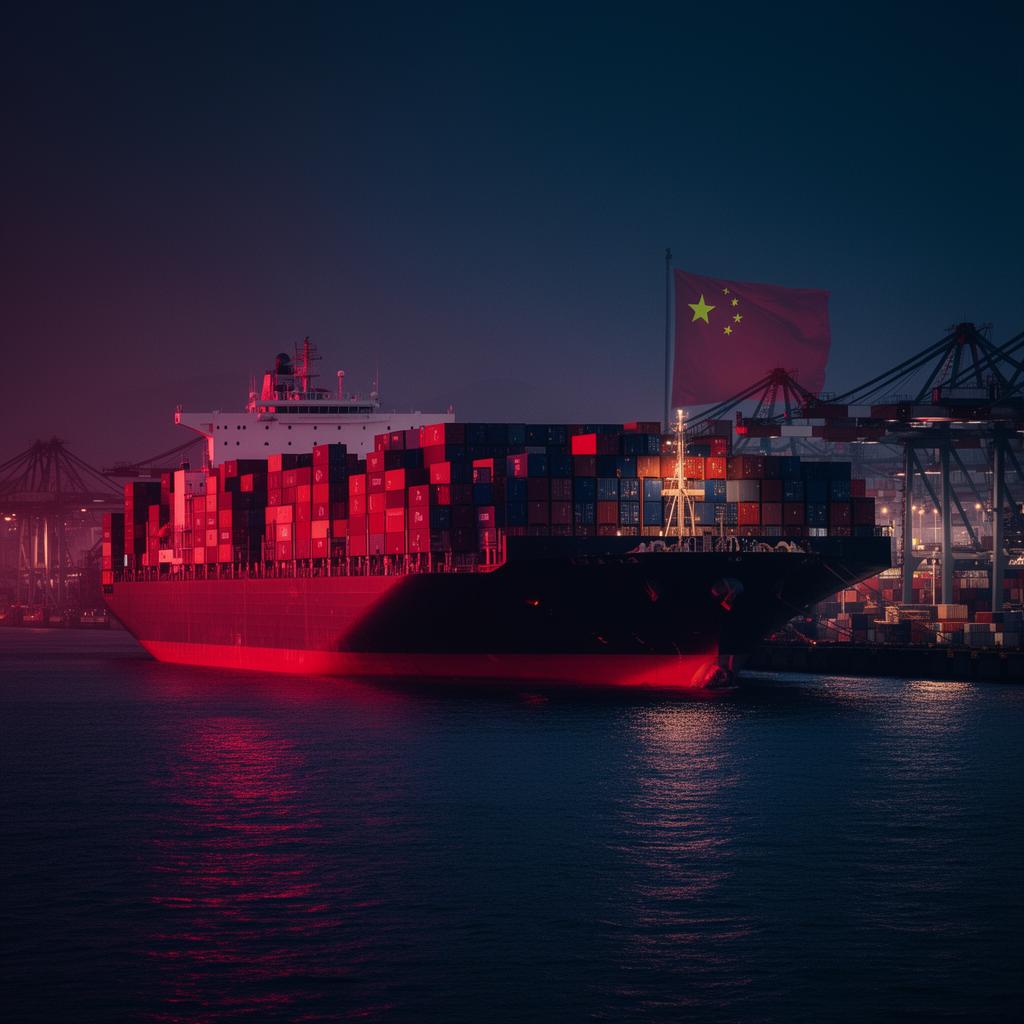
The Tariff Landscape in 2026
On April 2, 2025, former President Donald Trump declared "Liberation Day" and imposed sweeping tariffs on imports from over 180 countries. China bore the brunt: a staggering 145% cumulative tariff on most Chinese goods entering the United States. One year later, the global trade landscape has fundamentally shifted.
For businesses that source products from China — from electronics and textiles to furniture and industrial components — the question is no longer if tariffs affect you, but how to adapt and thrive despite them.
What the Numbers Actually Look Like
Let's break down the real-world impact:
| Product Category | Pre-Tariff Duty | Current Duty (2026) | Cost Increase |
|---|---|---|---|
| Electronics & Components | 0-5% | 145% | +140% |
| Textiles & Apparel | 7-15% | 145% | +130% |
| Furniture & Home Goods | 0-8% | 145% | +137% |
| Auto Parts | 2.5-5% | 145% | +140% |
| Industrial Machinery | 0-3% | 145% | +142% |
These aren't theoretical numbers. A $10 widget that previously cost $10.50 landed now costs $24.50 at the US border. For businesses operating on thin margins, this is existential.
How Importers Are Adapting
1. The Vietnam & Mexico Pivot
The most visible response has been supply chain diversification. Vietnam's manufacturing exports to the US surged by 38% in the past year, while Mexico's near-shoring boom has attracted billions in new factory investment.
However, this pivot isn't as simple as it sounds:
- Vietnam faces its own 46% tariff (though temporarily reduced to 10% during the 90-day pause)
- Mexico has capacity constraints and longer ramp-up times for complex manufacturing
- Quality consistency remains a challenge when switching suppliers rapidly
2. Tariff Engineering
Smart importers are working with customs brokers and sourcing agents to legally optimize their tariff classification. This includes:
- Reclassifying products under different HTS codes that carry lower duties
- Modifying product design slightly to qualify for different categories
- Splitting shipments to take advantage of de minimis thresholds
- Using bonded warehouses and Foreign Trade Zones (FTZs) to defer or reduce duties
3. Absorb, Pass Through, or Split
Companies are making hard choices about who bears the cost:
- Premium brands are passing costs to consumers (and seeing surprisingly stable demand)
- Price-sensitive retailers are absorbing margins and betting on volume
- Smart operators are negotiating cost-sharing with Chinese suppliers who are eager to retain business
4. Direct Sourcing Over Trading Companies
With margins under pressure, many businesses are cutting out intermediaries. Instead of buying through trading companies (who add 10-20% markup), they're going directly to factories — often with the help of a sourcing agent based in China.
The China Response
Chinese manufacturers aren't sitting idle. Here's what's happening on the ground:
Price Reductions: Many factories have reduced FOB prices by 10-25% to remain competitive. With a weaker yuan (currently around 7.35 to the dollar), Chinese goods are effectively cheaper in local currency terms.
Quality Upgrades: Rather than compete purely on price, leading Chinese factories are investing in automation, quality control, and certifications (ISO, CE, UL) to justify their value proposition.
Export Rerouting: Some manufacturers are shipping semi-finished goods to assembly plants in Southeast Asia or Mexico, technically making the final product "Made in Vietnam" or "Made in Mexico" with lower tariff exposure.
New Market Focus: China's exports to the EU, Middle East, Africa, and South America have surged as manufacturers diversify away from US dependence.
What This Means for Non-US Buyers
If you're importing from China to Europe, the Middle East, Australia, or other regions, you're actually in a strategic sweet spot:
- Lower competition for factory capacity as US orders decline
- Better pricing as factories offer discounts to fill production gaps
- More negotiating power on MOQs, payment terms, and quality standards
- Faster lead times with reduced production backlogs
This is a rare window where non-US importers can lock in favorable terms with top-tier Chinese factories.
6 Strategies for Smart Sourcing in 2026
- Audit your supply chain now: Know exactly where every component comes from and what tariff applies
- Negotiate aggressively: Chinese suppliers are more flexible than ever — push for better pricing, payment terms, and quality guarantees
- Diversify gradually: Don't abandon China entirely, but build secondary supplier relationships in Vietnam, India, or Turkey
- Use a sourcing agent: Having boots on the ground in China means better factory vetting, quality control, and negotiation leverage
- Plan 6-12 months ahead: Lock in orders and pricing before potential tariff escalations
- Consider bonded warehousing: If you're US-based, FTZs and bonded warehouses can defer tariff payments and improve cash flow
The Bottom Line
The tariff war has created chaos — but chaos creates opportunity. Businesses that adapt quickly, diversify intelligently, and leverage expert sourcing support will not only survive but gain competitive advantage.
The companies that will struggle are those that do nothing and hope tariffs go away. History suggests they won't — at least not soon.
---
Need help navigating the tariff landscape? Trade Entrust has sourcing experts on the ground in China who help businesses optimize their supply chain, find verified factories, and reduce costs. Get a free consultation today.
Published by Trade Entrust Team — your trusted China sourcing partner since 2018.