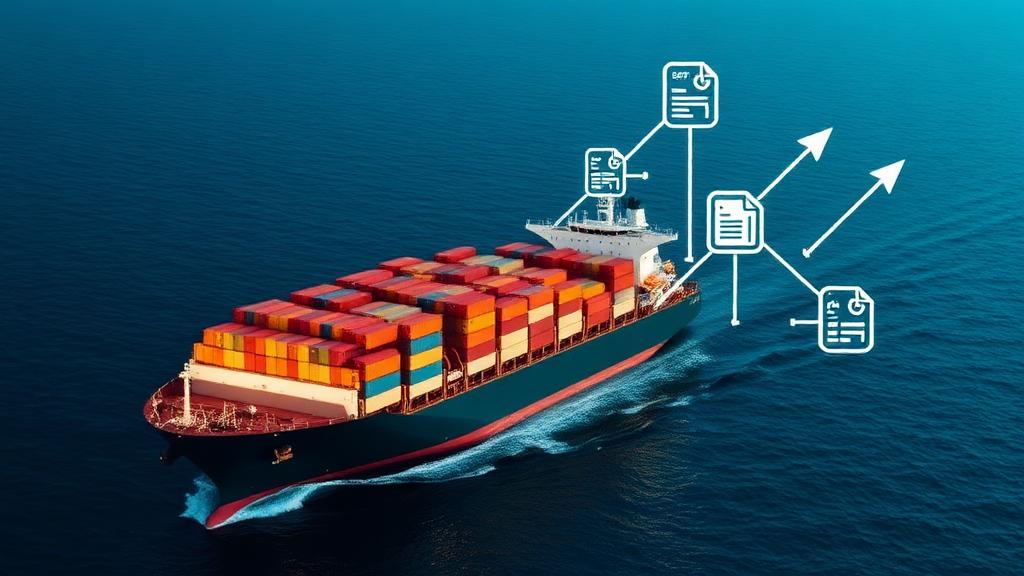
What Are Incoterms?
Incoterms (International Commercial Terms) are standardized trade terms published by the International Chamber of Commerce (ICC). They define the responsibilities of buyers and sellers in international transactions — specifically, who pays for shipping, insurance, and customs duties.
Understanding Incoterms is critical because they determine:
- Cost allocation — who pays for what
- Risk transfer — when responsibility shifts from seller to buyer
- Documentation — who handles customs paperwork
FOB (Free on Board)
The most common term for China exports.
What It Means
The seller delivers goods to the port of origin (e.g., Shenzhen port) and loads them onto the vessel. Once on board, risk transfers to the buyer.
Seller's Responsibilities
- Manufacturing and packaging
- Inland transport to the port
- Export customs clearance
- Loading onto the vessel
Buyer's Responsibilities
- Ocean freight charges
- Marine insurance
- Import customs clearance
- Duties and taxes
- Delivery from destination port to warehouse
When to Use FOB
- You have a freight forwarder you trust
- You want control over shipping costs and carrier selection
- You're shipping full containers (FCL)
CIF (Cost, Insurance, and Freight)
What It Means
The seller arranges and pays for shipping and insurance to the destination port. However, risk still transfers when goods are loaded at the origin port.
Seller's Responsibilities
- Everything in FOB, plus:
- Ocean freight to destination port
- Marine insurance (minimum coverage)
Buyer's Responsibilities
- Import customs clearance
- Duties and taxes
- Delivery from destination port to warehouse
When to Use CIF
- You're a first-time importer and want simplicity
- You don't have a freight forwarder relationship yet
- You're comfortable with the supplier choosing the carrier
⚠️ Caution
With CIF, the supplier chooses the shipping line and insurance. This can mean higher freight costs (markup) and minimal insurance coverage. Many experienced importers prefer FOB for more control.
DDP (Delivered Duty Paid)
What It Means
The seller handles everything — manufacturing, shipping, insurance, import customs, and duties. Goods are delivered to your specified address, ready to use.
Seller's Responsibilities
- Everything from manufacturing to delivery at buyer's door
- Export and import customs clearance
- All duties, taxes, and fees
Buyer's Responsibilities
- Unloading at the final destination (sometimes)
When to Use DDP
- You want a turnkey, hassle-free import experience
- You're ordering small quantities where managing logistics isn't worth the effort
- Your supplier or sourcing agent offers competitive DDP rates
⚠️ Caution
DDP prices are higher because they include everything. Make sure to compare the total DDP cost against FOB + your own freight arrangement to ensure you're not overpaying.
Quick Comparison Table
| Factor | FOB | CIF | DDP |
|---|---|---|---|
| Shipping cost control | Buyer | Seller | Seller |
| Insurance | Buyer | Seller (min) | Seller |
| Import customs | Buyer | Buyer | Seller |
| Duties & taxes | Buyer | Buyer | Seller |
| Risk transfer point | Origin port | Origin port | Buyer's door |
| Best for | Experienced importers | First-timers | Small orders |
Which Should You Choose?
First-time importers: Start with CIF or DDP for simplicity. As you gain experience and volume, transition to FOB for better cost control.
Experienced importers: FOB gives you the most control and typically the lowest total cost when you have established freight forwarder relationships.
Working with Trade Entrust: We handle logistics regardless of Incoterm, but we typically recommend FOB for our clients because we negotiate preferential freight rates that beat most CIF quotes.
Need shipping advice? Talk to our logistics team for a free consultation on the best Incoterm for your situation.