War Is Bad for Business
The escalating military tensions between the United States and Iran aren't just a geopolitical crisis — they're a supply chain crisis that directly impacts every business importing goods from China. If you source products from Chinese factories and ship them to Europe, the Middle East, Africa, or beyond, this conflict is about to hit your bottom line.
Here's what you need to know — and what you should do about it.
The Strait of Hormuz: The World's Most Dangerous Chokepoint
Let's start with geography. The Strait of Hormuz is a narrow waterway between Iran and Oman, just 33 kilometers wide at its narrowest point. And yet:
- 40% of the world's seaborne oil passes through it daily
- 25% of global LNG (liquefied natural gas) transits this strait
- It connects the Persian Gulf oil-producing nations to the rest of the world
When tensions rise between the US and Iran, this strait becomes a flashpoint. Iran has repeatedly threatened to close it, and even the threat of closure sends shockwaves through global shipping markets.
How the Conflict Disrupts China-to-World Shipping
Most people think of the Strait of Hormuz as an oil corridor. But the ripple effects extend far beyond petroleum:
1. The Red Sea & Suez Canal Under Threat
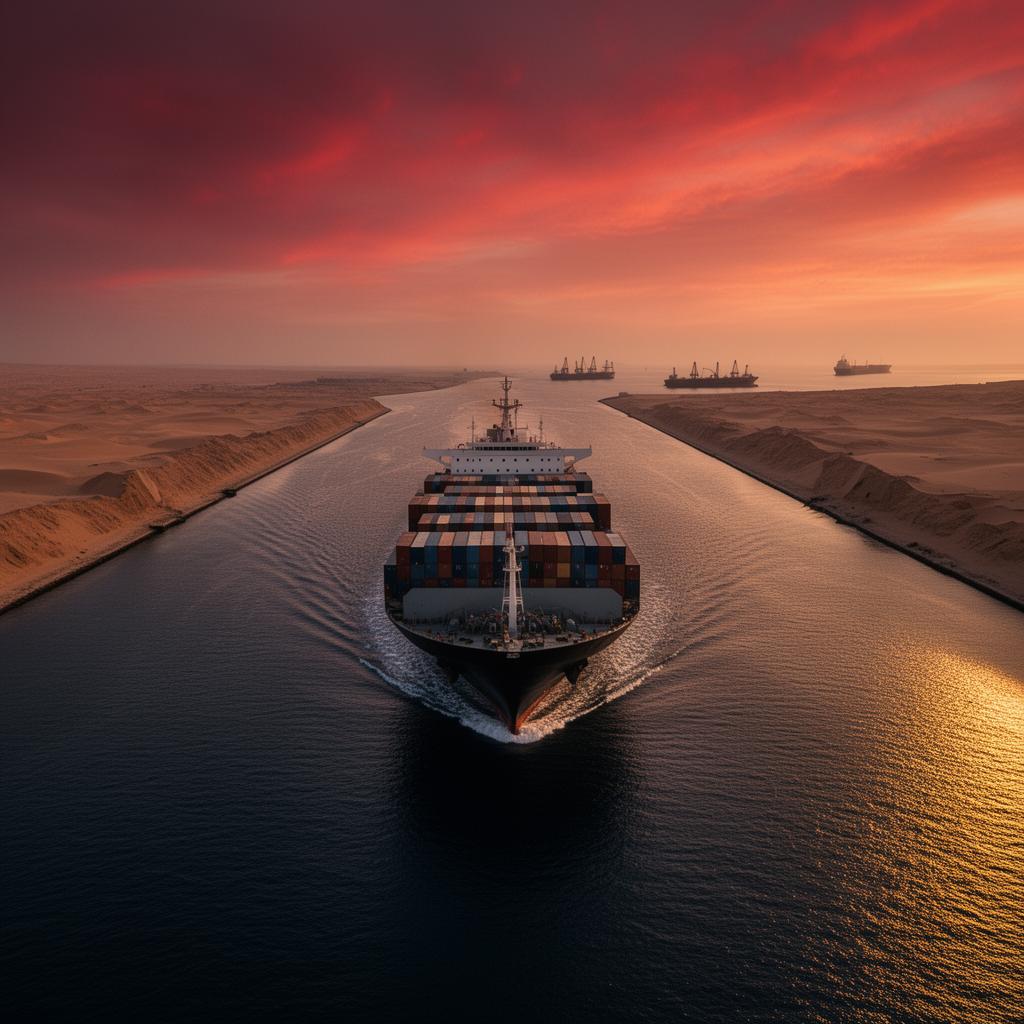
The primary shipping route from China to Europe runs through the South China Sea → Strait of Malacca → Indian Ocean → Red Sea → Suez Canal → Mediterranean. When Iran-backed groups escalate attacks in the Red Sea region (as we've seen with Houthi disruptions), this entire route becomes dangerous and expensive.
The result: Major shipping lines are rerouting around the Cape of Good Hope (southern tip of Africa), adding:
- 10-14 extra days of transit time
- $1,500-3,000 more per container in fuel and operating costs
- Higher insurance premiums — war risk surcharges have increased 300-500%
2. Oil Prices Drive Everything
Even if your products aren't petroleum-based, oil prices affect your costs:
- Freight rates are directly tied to fuel (bunker) costs
- Raw materials — plastics, polyester, nylon, synthetic rubber — are all petroleum derivatives
- Factory electricity costs in China rise with global energy prices
- Packaging materials (PE films, foam, polypropylene) become more expensive
When oil jumps from $75 to $95+ per barrel (as it has during the current tensions), these costs cascade through your entire supply chain.
3. Insurance and Risk Premiums
Shipping through conflict zones means higher insurance. War risk premiums for vessels transiting the Persian Gulf and Red Sea have tripled since tensions escalated. These costs are passed directly to shippers — meaning you, the importer.
Which Countries Should Be Most Worried?
Not all importers are affected equally. Here's a breakdown of which countries face the highest exposure:
🇩🇪 Germany
Europe's largest importer from China. Nearly all goods transit through the Suez Canal. Longer routes mean delayed production schedules for Germany's just-in-time manufacturing sector.
🇳🇱 Netherlands (Rotterdam)
Europe's gateway port. Rotterdam handles 40% of all EU-bound Chinese goods. Delays here cascade across the entire European supply chain.
🇮🇹 Italy
Heavy reliance on Chinese textiles, machinery, and components. Mediterranean ports are directly affected by Suez disruptions.
🇹🇷 Turkey
Positioned at the crossroads of Europe and Asia, Turkey imports heavily from China for its manufacturing sector. Both maritime (via Suez) and overland (via Iran) routes are compromised.
🇮🇱 Israel
Geographically closest to the conflict zone. Shipping to Israeli ports (Haifa, Ashdod) must transit the Red Sea. Houthi attacks have already targeted Israel-linked vessels.
🇮🇳 India
India's western coast ports (Mumbai, JNPT) are near the Persian Gulf. Oil price spikes hit India's economy hard, and manufacturing input costs surge.
🇯🇵 Japan & 🇰🇷 South Korea
Both nations depend on Middle Eastern oil for 80%+ of their energy needs. Oil disruptions directly impact factory costs and consumer prices.
🇦🇺 Australia
While geographically distant, Australia's trade routes to Europe pass through the Indian Ocean and are affected by rerouting. Raw material export prices also fluctuate.
The China Factor: How Geopolitics Shifts Chinese Manufacturing
The US-Iran conflict doesn't just affect shipping — it changes the dynamics inside Chinese factories:
Rising Raw Material Costs
- Plastics (PE, PP, PVC): Up 8-15% due to crude oil increases
- Synthetic textiles (polyester, nylon): Up 10-12%
- Steel: Rising due to energy cost increases in smelting
- Aluminum: Up 6-8% as electricity costs climb
Currency Fluctuations
Geopolitical uncertainty often strengthens the US dollar, which means the Chinese yuan weakens. A weaker yuan makes Chinese exports cheaper in dollar terms — a silver lining for importers paying in USD. But it also increases China's import costs for raw materials priced in dollars.
Factory Timeline Shifts
With shipping uncertainty, Chinese factories are adjusting:
- Building larger inventory buffers before shipping
- Offering consolidated shipments to reduce per-unit freight costs
- Shifting to air freight for high-value, time-sensitive orders
- Exploring rail freight (China-Europe via Kazakhstan/Russia) as an alternative to ocean shipping
What Smart Importers Are Doing Right Now
1. Lock In Orders Early
Don't wait for the situation to "stabilize." Geopolitical tensions can last months or years. Place your orders now while factory pricing hasn't fully adjusted to new freight realities.
2. Diversify Shipping Routes
Work with your freight forwarder to explore alternatives:
- China-Europe rail (18-22 days vs 35-45 by sea around Cape of Good Hope)
- Air freight for urgent or high-margin products
- Transshipment via alternative ports (e.g., Colombo, Tanjung Pelepas) to optimize routing
3. Pre-Pay Freight and Lock Rates
Freight rates are volatile. If your forwarder offers fixed-rate contracts for 3-6 months, take them. The premium you pay for rate certainty will save you from spikes.
4. Work With a Sourcing Agent on the Ground
This is the single most impactful thing you can do. A sourcing agent based in China can:
- Negotiate better FOB pricing that accounts for raw material increases
- Monitor factory production to prevent delays and quality issues
- Coordinate logistics across multiple shipping options
- Conduct pre-shipment inspections to ensure you don't pay freight for defective goods
Trade Entrust's team uses a Zero-Risk verification process that includes:
- Legal identity checks via Chinese corporate databases (QICHACHA/Tianyancha)
- Background investigations through China's court records system
- Three-stage inspection workflow: Pre-production verification, During-production (DUPRO) monitoring, and Pre-shipment inspection (PSI)
This level of due diligence becomes critical during periods of supply chain stress, when the temptation for factories to cut corners is highest.
5. Build Inventory Buffers
If you normally operate on just-in-time inventory, now is the time to build a safety stock of 4-8 weeks. The cost of holding extra inventory is far less than the cost of a stockout caused by shipping delays.
6. Monitor the Situation Daily
Set up Google Alerts for: "Strait of Hormuz," "Red Sea shipping," "Iran conflict shipping," and "freight rate index." Knowledge is your first line of defense.
The Silver Lining
Every crisis creates opportunity. During the current tensions:
- Chinese factories are competing harder for non-US orders, offering better pricing and terms
- Alternative shipping routes (rail, air) are becoming more mature and cost-effective
- Importers who plan ahead will gain market share from competitors who panic or freeze
- Diversified supply chains built now will pay dividends for years
The businesses that thrive aren't the ones that avoid risk — they're the ones that manage it intelligently.
The Bottom Line
The US-Iran conflict is a reminder that global trade is inherently tied to geopolitics. You can't control what happens in the Strait of Hormuz, but you can control how your business responds.
Act now. Lock in orders. Diversify routes. Partner with experts on the ground.
The importers who take these steps today will be the ones still thriving six months from now — regardless of what happens in the Middle East.
---
Worried about how geopolitical tensions affect your supply chain? Trade Entrust's sourcing experts in China help businesses navigate disruptions with verified factories, quality control, and logistics optimization. Get a free consultation today.
Published by Trade Entrust Team — your trusted China sourcing partner since 2018.