The Post That Broke the Internet
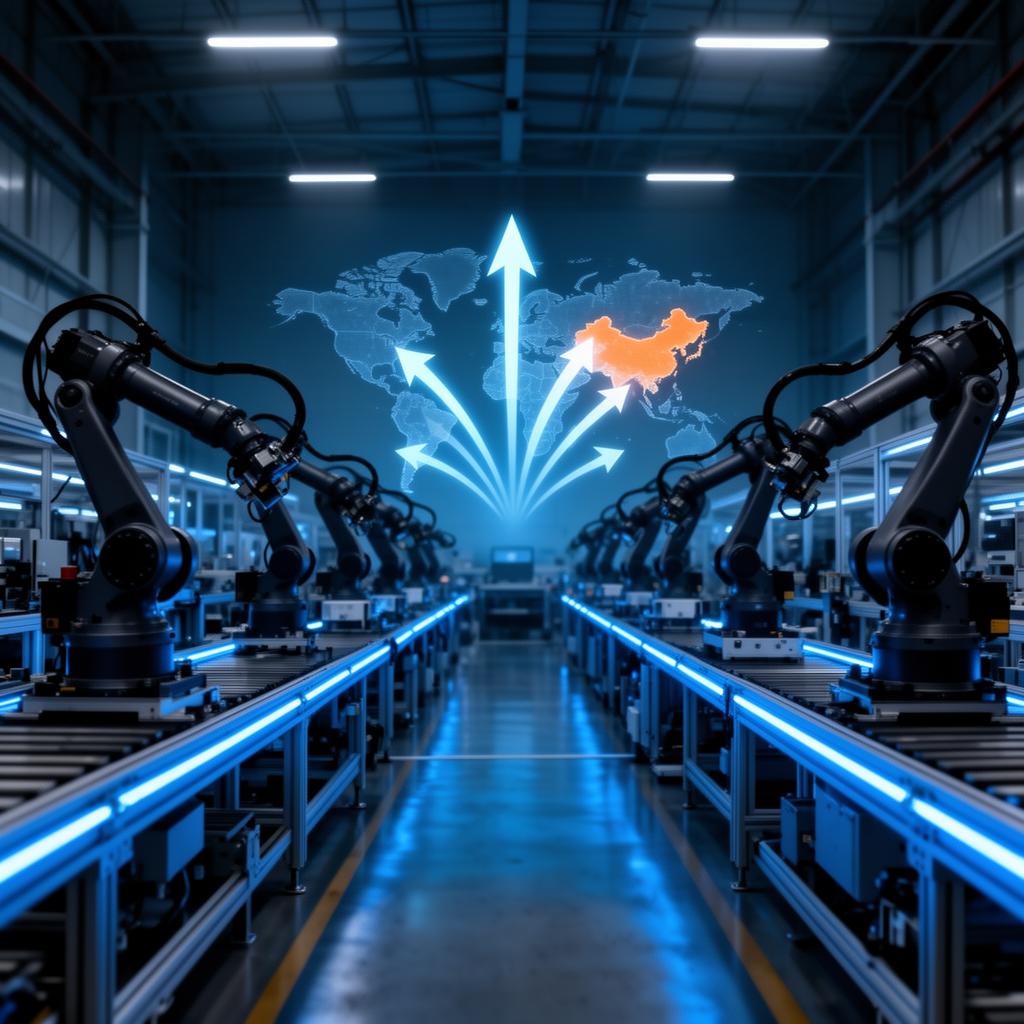
A LinkedIn post went viral last week. A sourcing professional shared a simple story: their $500 million American client had moved production from China to Vietnam and Thailand in 2024. The goal was simple — avoid tariffs, reduce risk, diversify.
One year later, they moved everything back to China.
The post garnered 136 reactions and 52 comments, with procurement professionals from around the world sharing similar experiences. The comments section read like a support group for failed diversification attempts.
This isn't an isolated case. It's a pattern. And if you're importing products for your business, understanding why this is happening could save you hundreds of thousands of dollars.
---
The China+1 Promise: Why It Sounded So Good
After Trump's "Liberation Day" tariffs in April 2025 — which slapped 145% duties on many Chinese goods — the logic seemed bulletproof:
- Lower labor costs in Vietnam ($250/month vs China's $800/month average)
- Tariff avoidance by routing production through countries with favorable trade agreements
- Supply chain diversification to reduce dependence on a single country
- Political safety from escalating US-China tensions
Consulting firms published beautiful PowerPoint decks. Trade publications ran headlines about the "Great Decoupling." Vietnam's GDP growth surged. Everyone was bullish.
There was just one problem: manufacturing isn't just about labor costs.
---
The 5 Hard Truths Companies Discovered
1. Productivity Was 30-40% Lower
That $250/month worker in Vietnam? They produced significantly less output per hour than their Chinese counterpart earning $800. When you factor in productivity, the actual cost per unit was often higher outside China.
Chinese factories have spent decades optimizing production lines. Workers have deep institutional knowledge. Managers understand lean manufacturing. This doesn't transfer overnight.
2. Lead Times Doubled (or Tripled)
In Shenzhen, you can get a prototype in 3 days and a production run in 2 weeks. In Vietnam's emerging industrial zones? That same prototype takes 2 weeks, and production takes 6-8 weeks.
For businesses in fast-moving consumer goods, electronics, or fashion — where speed-to-market is everything — this was a dealbreaker.
3. The Supplier Ecosystem Didn't Exist
Here's what most people don't understand about Chinese manufacturing: it's not just one factory. It's an ecosystem.
Need a specific plastic resin? There's a supplier 10km away. Need custom tooling? Three options within a 30-minute drive. Need packaging, labeling, and logistics? All within the same industrial park.
In Vietnam and Thailand, companies found themselves importing raw materials from... China. The components came from China. The machinery was Chinese. They were essentially adding a middleman and extra shipping costs.
4. Quality Control Was a Nightmare
Chinese factories have spent 20+ years serving demanding Western brands. They understand AQL standards, they know what Walmart expects, they can read technical drawings created in AutoCAD.
Newer manufacturing hubs often lacked this institutional knowledge. Quality rejection rates jumped from 2-3% to 8-15% in many cases, eating into any cost savings.
5. Hidden Costs Were Everywhere
- Training new factory teams: 6-12 months of lower productivity
- Dual supply chain management: running China + alternative simultaneously
- Quality remediation: returns, rework, customer complaints
- Intellectual property risks in less regulated environments
- Higher logistics costs for smaller, less efficient shipping routes
When companies tallied the true total cost, many found they were paying 15-25% MORE than they would have staying in China.
---
Why China's Industrial Ecosystem Can't Be Replicated Overnight
China didn't become the world's factory by accident. It took:
- 40 years of industrial policy and infrastructure investment
- $14 trillion in manufacturing GDP (31% of global output)
- 200+ specialized industrial clusters, each with complete supplier networks
- 150 million+ skilled manufacturing workers with decades of experience
- World-class logistics infrastructure — ports, railways, highways
Vietnam's entire manufacturing GDP is roughly 3% of China's. India's manufacturing sector, while growing, still struggles with infrastructure, bureaucracy, and power reliability.
The Numbers Don't Lie
- China's PMI: 50.5 in early 2026, signaling continued expansion
- Export growth: 21.8% year-over-year surge
- Factory automation: China installs more industrial robots than the rest of the world combined
- R&D spending: $450 billion annually, second only to the US
---
The "China+1" Strategy Isn't Dead — It Just Needs Rethinking
Let's be clear: some diversification makes sense. If you're sourcing a simple, labor-intensive product with stable demand and long lead times, Vietnam or India might work well.
But for most importers, the smart strategy isn't leaving China. It's de-risking within China while maintaining quality, speed, and cost advantages.
What Smart Importers Are Doing in 2026
1. Dual-Sourcing Within China
Instead of moving to Vietnam, smart buyers are qualifying 2-3 factories in different Chinese provinces. If Guangdong gets disrupted, they shift to Zhejiang. Same ecosystem advantages, genuine diversification.
2. Investing in Supplier Verification
The real risk in China isn't "China" — it's working with the wrong factory. Companies that invest in proper due diligence, factory audits, and ongoing quality monitoring report 90% fewer supply chain disruptions.
3. Using Bonded Warehousing and FTZs
China's Free Trade Zones offer tariff advantages that many importers don't know about. Products assembled in FTZs can qualify for reduced duties under specific conditions.
4. Leveraging Tariff Engineering
Product classification matters enormously. A 2% change in HTS code can mean the difference between 25% and 7.5% duties. Expert sourcing agents help optimize this legally.
5. Partnering with On-the-Ground Sourcing Agents
You can't manage Chinese suppliers from a desk in New York or London. Having boots on the ground — someone who speaks the language, understands the culture, and can walk the factory floor — is the single biggest risk reducer.
---
How Trade Entrust Helps You Source Safely from China
Trade Entrust has been on the ground in China for years. We've seen the China+1 wave come and go. Here's what we offer:
- Zero-Risk Factory Verification: We physically audit every factory before you place an order
- Multi-Province Sourcing: We help you build redundancy within China's ecosystem
- Real-Time Quality Monitoring: The Trade Entrust team inspects production at every stage
- Tariff Optimization: We help classify products for minimum duty exposure
- End-to-End Logistics: From factory floor to your warehouse door
Don't Leave China. Leave Risk Behind.
The companies that are winning in 2026 aren't the ones who fled to Vietnam. They're the ones who stayed in China — but got smarter about how they source.
Ready to source safely from China? Get a free consultation →
---
Trade Entrust is a global sourcing and supply chain management company with offices in China, helping businesses of all sizes import products safely, efficiently, and profitably.